





Fragments and Continuity: Tehran's Galleries in the Aftermath
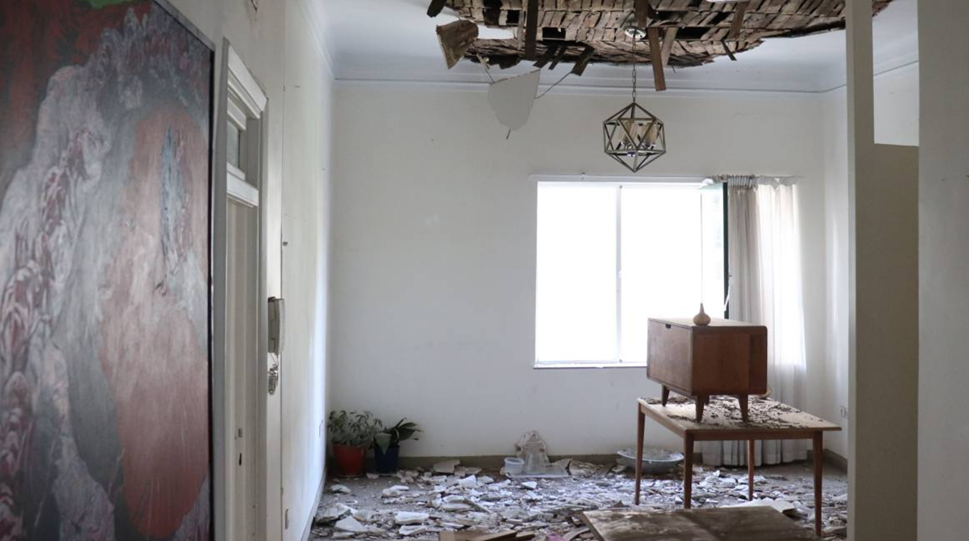
04 May 2026In the wake of the recent war and the intensification of conflicts across the Middle East, several art galleries in Tehran have sustained significant damage. An event that once again exposes the vulnerability of cultural infrastructure in times of crisis and draws attention to the precarious condition of artistic spaces across the region. The two galleries which have suffered damage, Didar Gallery and Delgosha Gallery, lie in the centre of the city.
Over the years, these galleries have served as vital platforms for presenting and supporting contemporary artists, playing a decisive role in shaping and sustaining artistic currents. Their exhibition programs, international collaborations, and engagement with emerging modes of expression have secured them a significant position within Iran’s contemporary art scene.
Didar Gallery is among the spaces that has sustained considerable damage amid these developments. Established in 2021, it has operated as an independent space for exhibitions, curatorial practices, and the support of research-based projects. Alongside its core programming, initiatives such as Didar Bazaar, Photo Club, and Print Studio, each with distinct objectives, have contributed to strengthening the artistic community and fostering a dynamic environment for the growth of emerging artists.
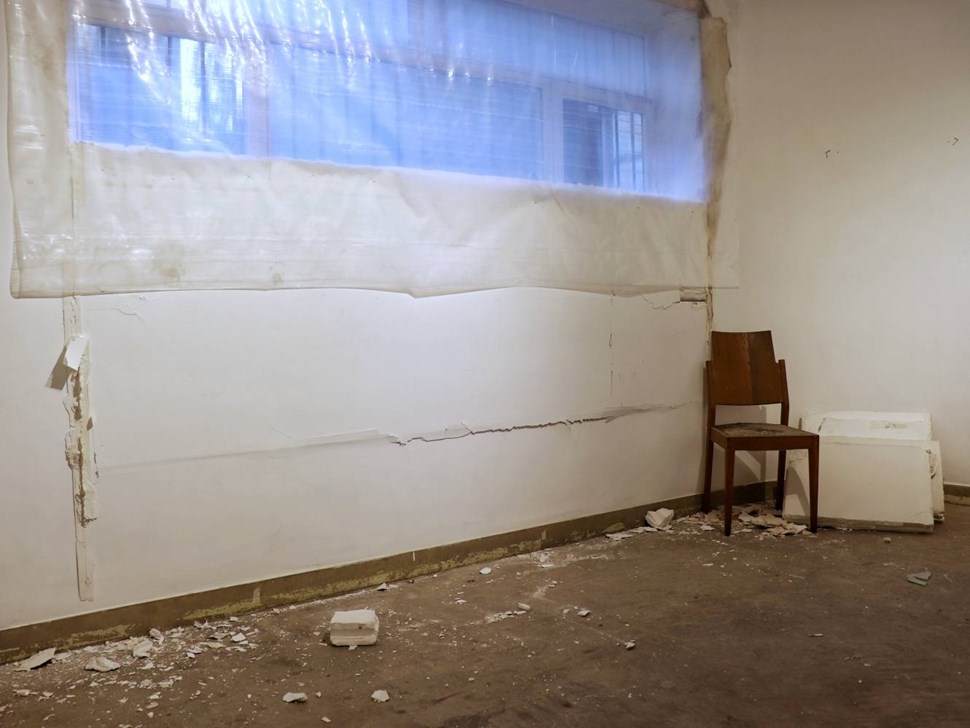
The origins of Didar date back to 2018, when, prior to its official naming, the space hosted the Tehran Curatorial Symposium. Its first formal exhibition was dedicated to the works of Hossein Valamanesh, held shortly after his passing, and regarded as a tribute to one of the prominent figures of contemporary Iranian and Australian art. The gallery’s logo was also designed by Valamanesh in 2019. His sculptural work “Didar,” conceived and realized in Adelaide, emphasizes the notions of friendship and synergy among artists, and stands as a symbol of “a place for dialogue and gathering.”
In conversation with the Didar team regarding the damage, they point to a series of serious challenges following the bombardment:
“Post-bombing damage has created a range of significant challenges for Didar. Over the past year of ongoing crises, we have repeatedly had to find new ways to continue; however, when structural damage is added to an already difficult economic situation, the complexity multiplies. Direct exposure to destruction and the persistence of insecurity exceed the limits of everyday adaptation, leaving profound effects on morale and the mental well-being of everyone involved, including members and those close to Didar. At the same time, uncertainty about the future and the unpredictability of events make it even more difficult to find viable solutions.
Other galleries are undoubtedly facing similar challenges to varying degrees, yet the transformation of a working space into an environment where movement and activity are difficult or impossible has placed us in an unprecedented situation. When the possibility of further attacks threatens the safety of individuals, a level of risk emerges that is simply unacceptable, making continued operation extremely difficult.
Despite all these difficulties, we remain committed to Didar’s mission—a mission grounded from the outset in creating a space for artists to come together, engage in dialogue, exchange ideas, and form meaningful artistic relationships. Our hope and effort are to find and build appropriate paths forward in pursuit of these goals, and to continue along this path.”
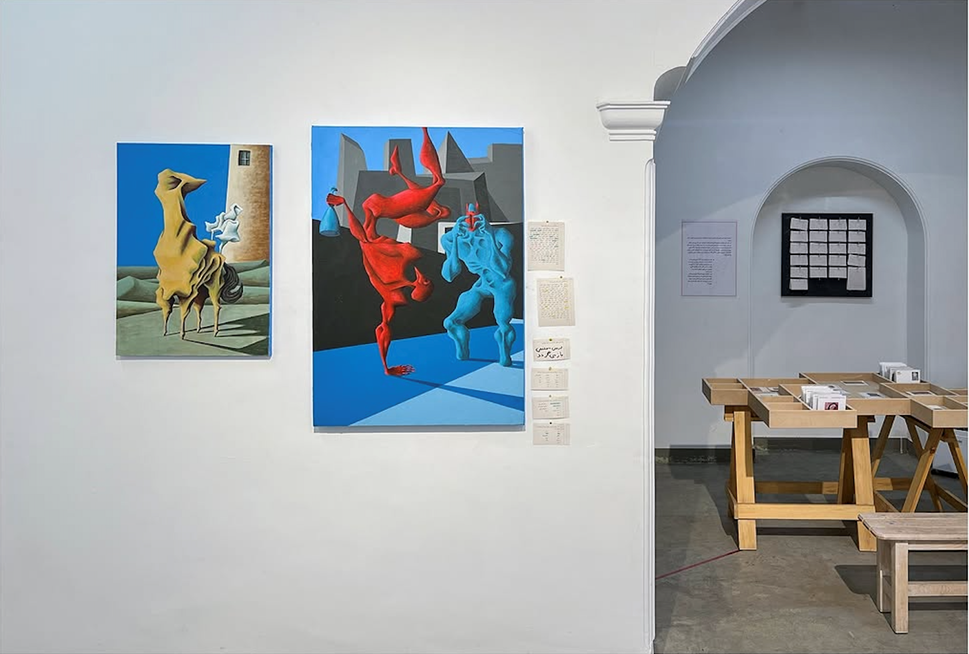
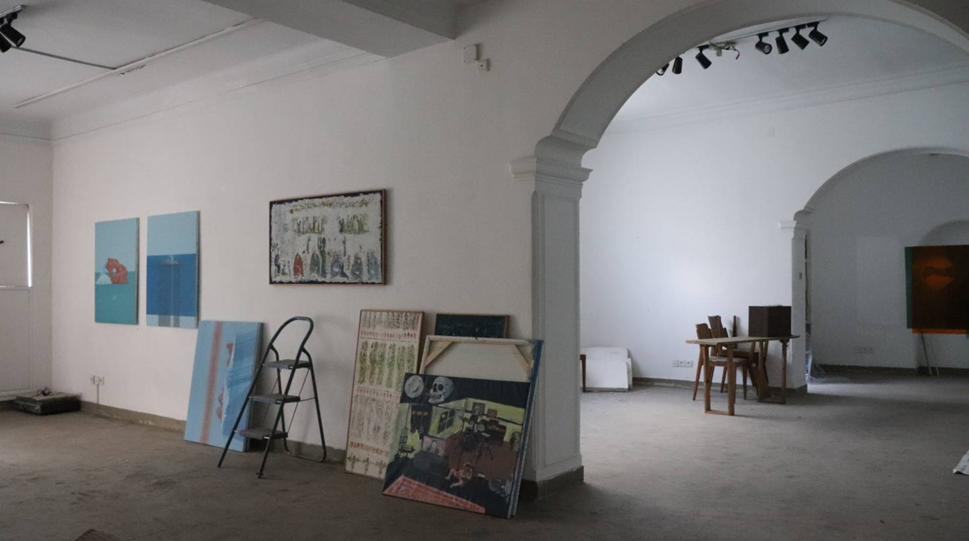
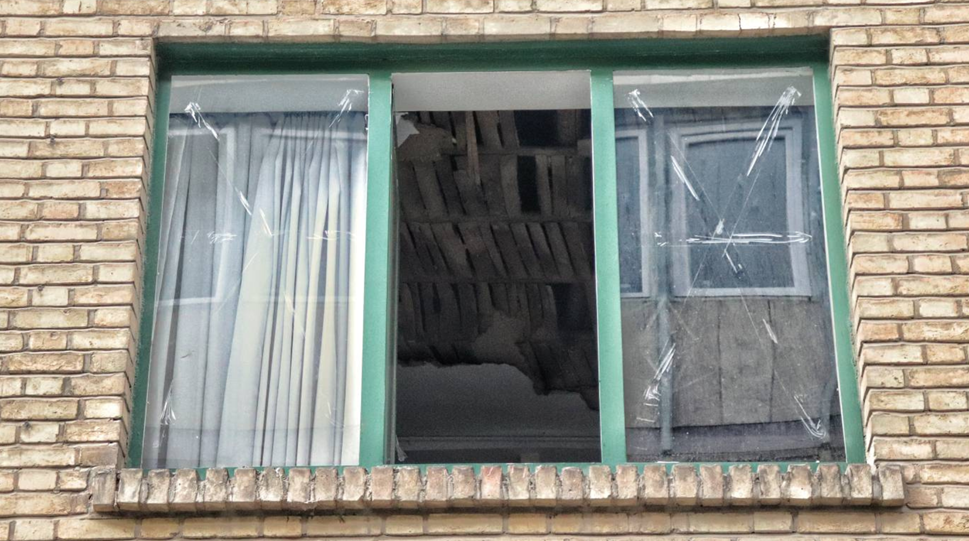
Delgosha Gallery has also sustained damage following a missile strike in the vicinity of Enghelab Street. Founded in 2016 by Shabahang Tayari and Niloufar Abedi in Tehran’s Iranshahr district, the gallery has, from its inception, sought to create a space aligned with global contemporary currents while retaining elements of Iranian cultural identity. This approach has been pursued through collaboration with emerging artists and by providing an independent platform for their development and presentation.
The works presented at Delgosha are largely shaped by a contemporary approach, marked by creative perspectives and narrative expression. Often diverging from academic frameworks, these works carry critical or ironic tones, and in some instances overlap with movements such as Stuckism. After a brief hiatus due to relocation, the gallery resumed its activities in November 2019 at a new location on Ramsar Street, and in 2022 moved to a building on 12 Farvardin Street. Maintaining a central urban location has consistently been a priority, allowing the gallery to benefit from the city’s dynamism and to remain accessible to audiences, particularly students.
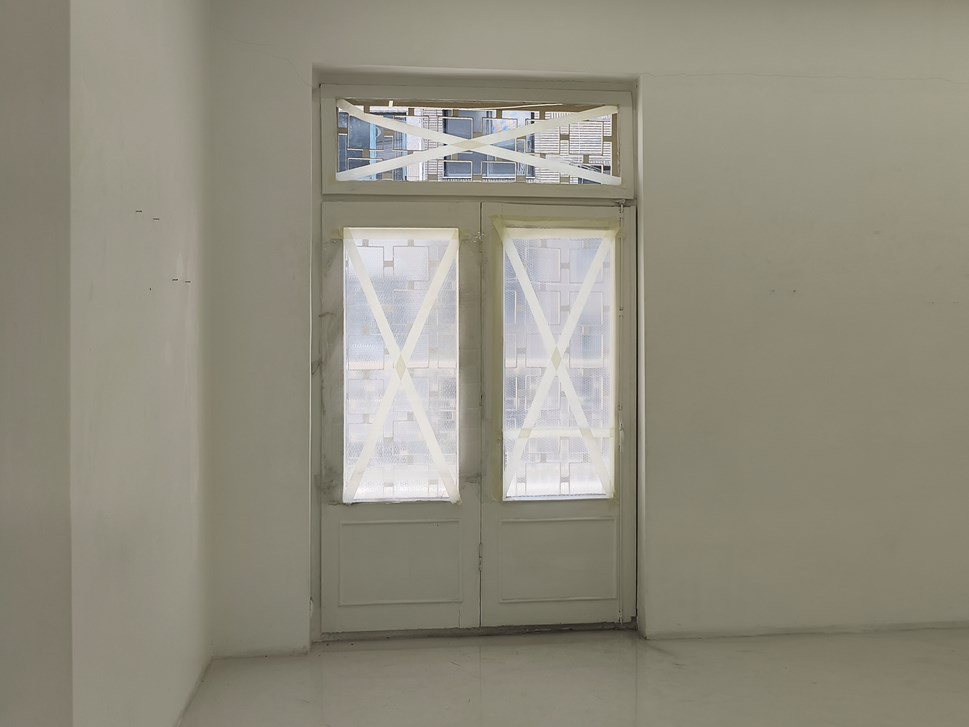
Niloufar Abedi, director of Delgosha Gallery, reflects on the impact of the war on the gallery’s activities:
“Central Tehran is one of the most dynamic areas of the city; most events, positive or negative, originate here. Today, this neighborhood has faced extensive destruction, which inevitably affects the gallery’s planning. Nevertheless, we have always tried to keep the gallery active for as long as possible and to continue our work. Under the current conditions, however, we have had to close the gallery to ensure the safety of our team, visitors, and the artworks.”
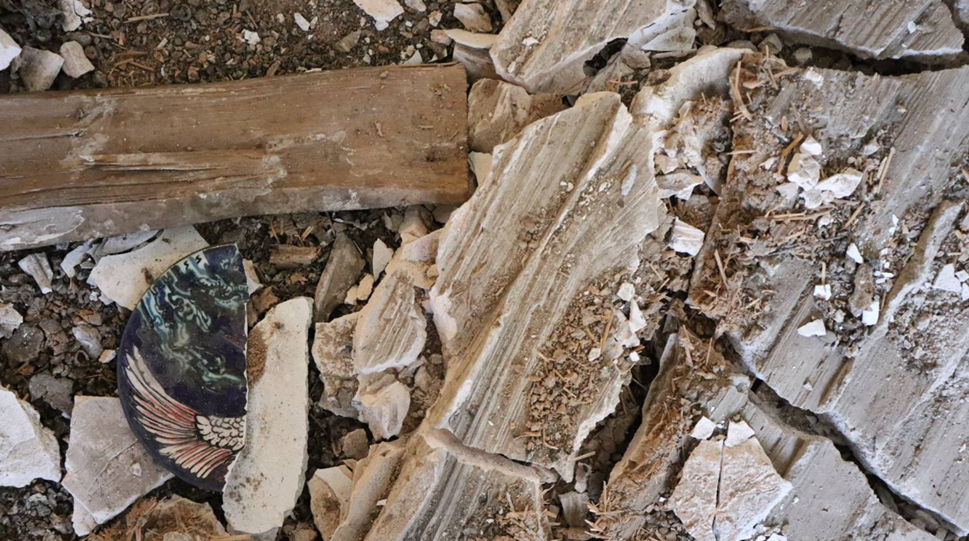
The damage inflicted on these spaces has affected parts of their architectural structures and equipment. Available images clearly illustrate the scale of the destruction, pointing to the disruption, or even erasure, of segments of an active cultural framework.
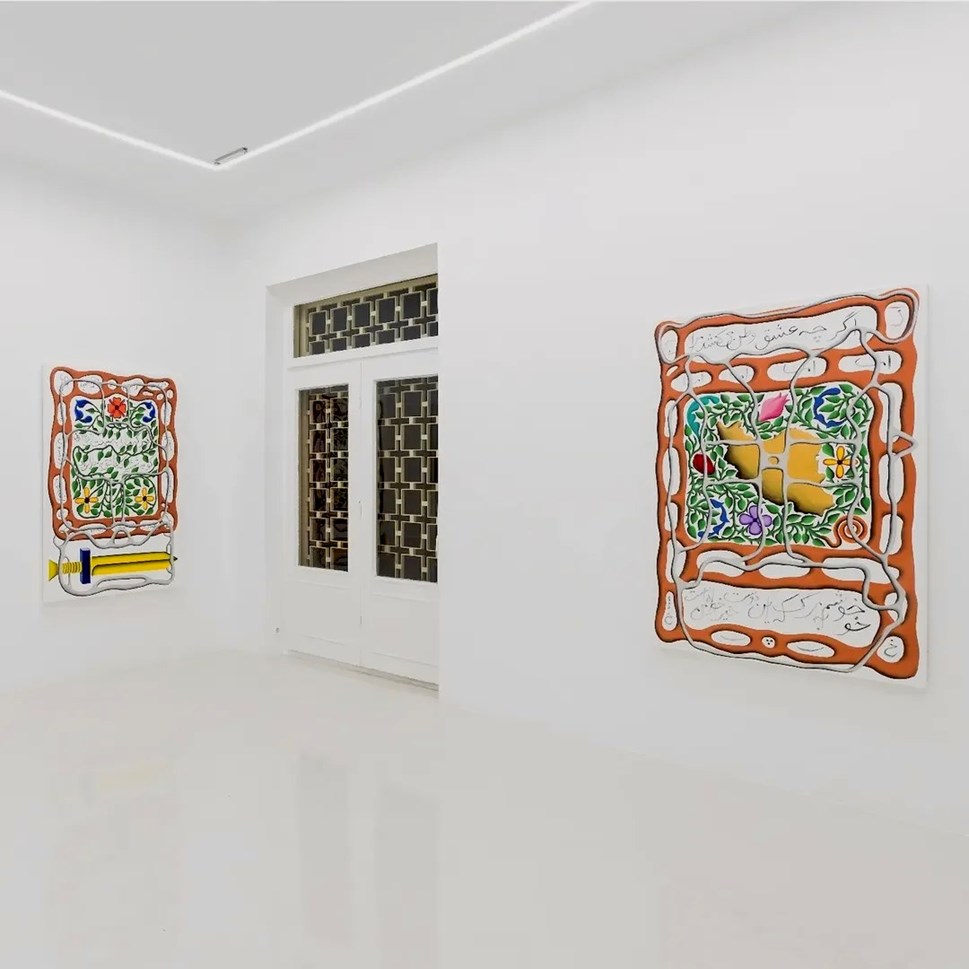
Yet the consequences of such events extend beyond physical damage. Galleries are not merely sites for the display of artworks; they are spaces where dialogue is formed, exchange takes place, and aspects of the collective memory of contemporary art are recorded. Their impairment or loss signifies a rupture in this continuity and poses a threat to the transmission of artistic experience. In such circumstances, documenting these events and attending to the preservation and reconstruction of cultural infrastructure becomes all the more critical. The continuity of artistic movements, even in times of crisis, depends on precisely these efforts: safeguarding collective memory while creating new possibilities for production and presentation.
Cover and Slider Image:
- Darz Archive

 Delgosha Gallery at Paris Internationale art fair 2021
01 Jun 2022
A Note on Rana Dehghan's Show at Delgosha Gallery
15 Feb 2026
A Note on Shabahang Tyyari's Show at Balice Hertling