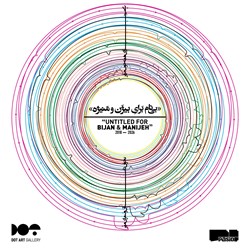


6 Oct, 2024 - 12 Jan, 2025

Statement:
A depiction representing the individual characteristics of a subject!" This is the most common definition given for a portrait. However, the history of portraiture encompasses concepts that extend beyond this.
Indeed, the portrait is one of the most common and ancient pictorial forms, with origins dating back to primitive civilizations. The earliest visual references to portraiture generally had a symbolic function.///
From the outset, the portrait referred to something beyond the subject's appearance: the tangible manifestation of an ancient god or the symbol of a sovereign.
Very soon, the connection between this pictorial genre and the representation of power in society became evident, and it was widely employed in civilizations such as Egypt and Greece.
Furthermore, the discovery of the extent of alternative dimensions in portraiture allowed this symbolic power to be extended to a realm beyond the subject's life, namely death.
Consequently, for centuries, portraits represented the symbolic power of the dead for the living.
Although this function of portraiture originated in antiquity, it reached its zenith at the end of the Middle Ages due to the acceptance of the icon in Christianity; though this aspect also attenuated the individualism in portraiture.
The revival of individualism, which was a product of Renaissance humanism, breathed new life into portraiture.
The representation of individuality in the subject's physical characteristics, within portraiture, was not only due to a change in perspective on humanity, but also to the invention of pictorial techniques, particularly in Northern Europe.
Some of these visual innovations include oil painting and optical tools such as the camera obscura; which, in the seventeenth century, led to the golden age of portraiture with artists like Rubens, Velázquez, and Rembrandt, securing portraiture's prominent place among other painting genres in the Academy.
The invention of photography in the first half of the nineteenth century, although it led to a gradual migration of portraiture from painting to photography, simultaneously encouraged painters to explore a new path in portraiture: the inner world of the subject's soul.
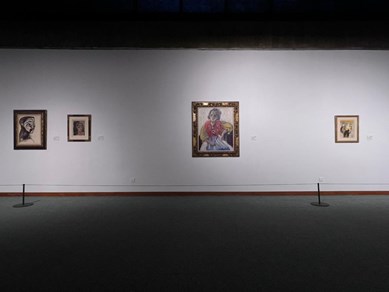
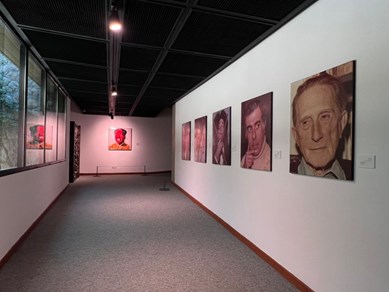
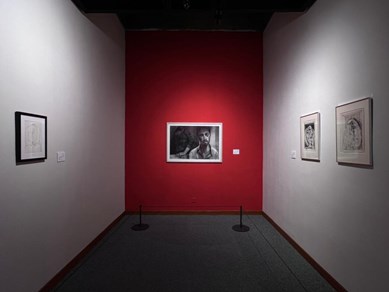
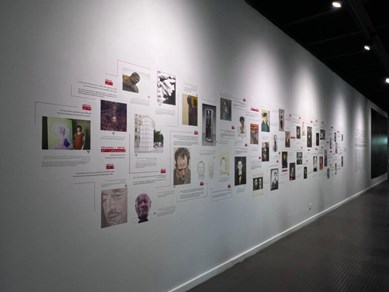
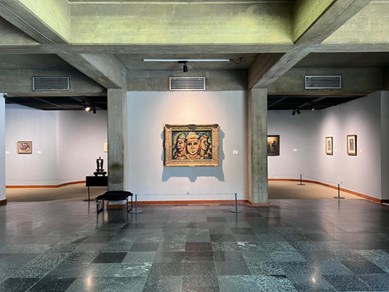
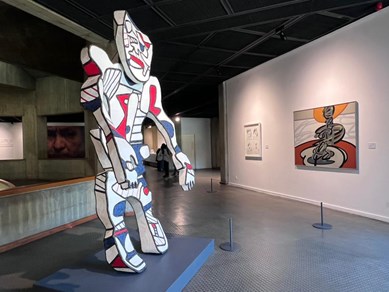
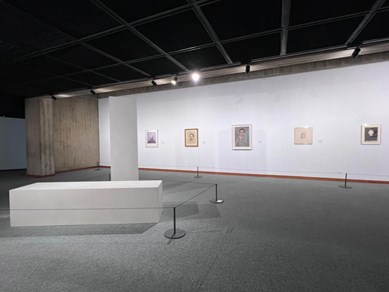
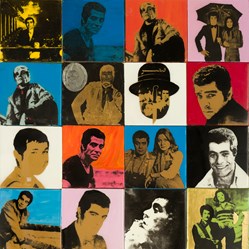
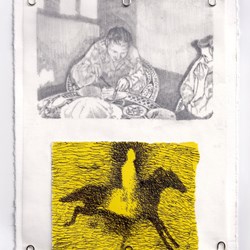
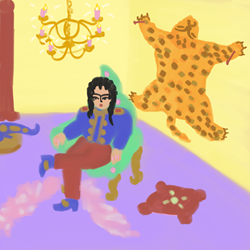
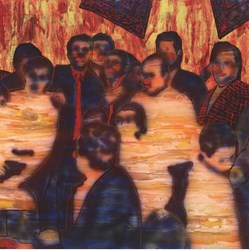
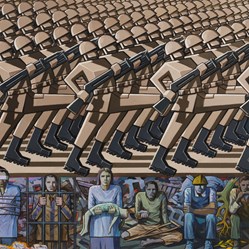
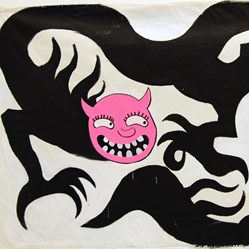
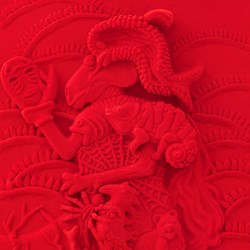
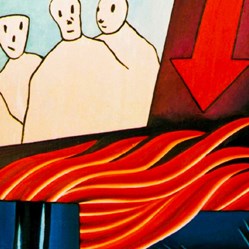
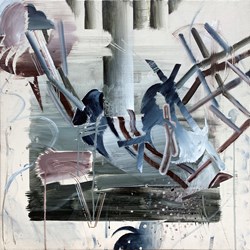
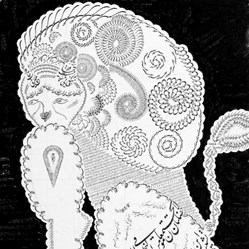
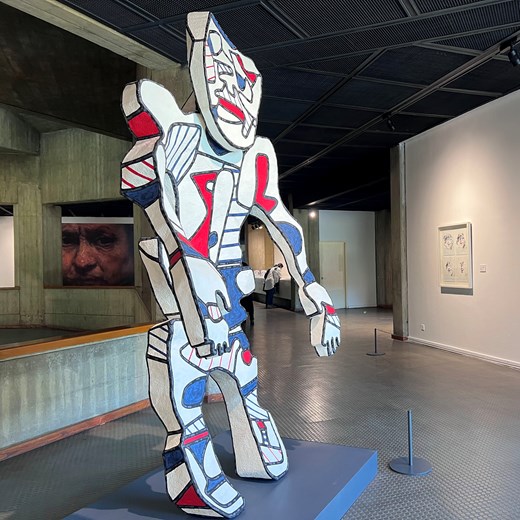
This exhibition, referring to certain concepts involved in portraiture, showcases a selection of portrait works from modern and contemporary Iranian and international art, belonging to the collections of the Tehran Museum of Contemporary Art.
Jamal Arabzadeh
Curator:
Installation view