
Loading the archive.
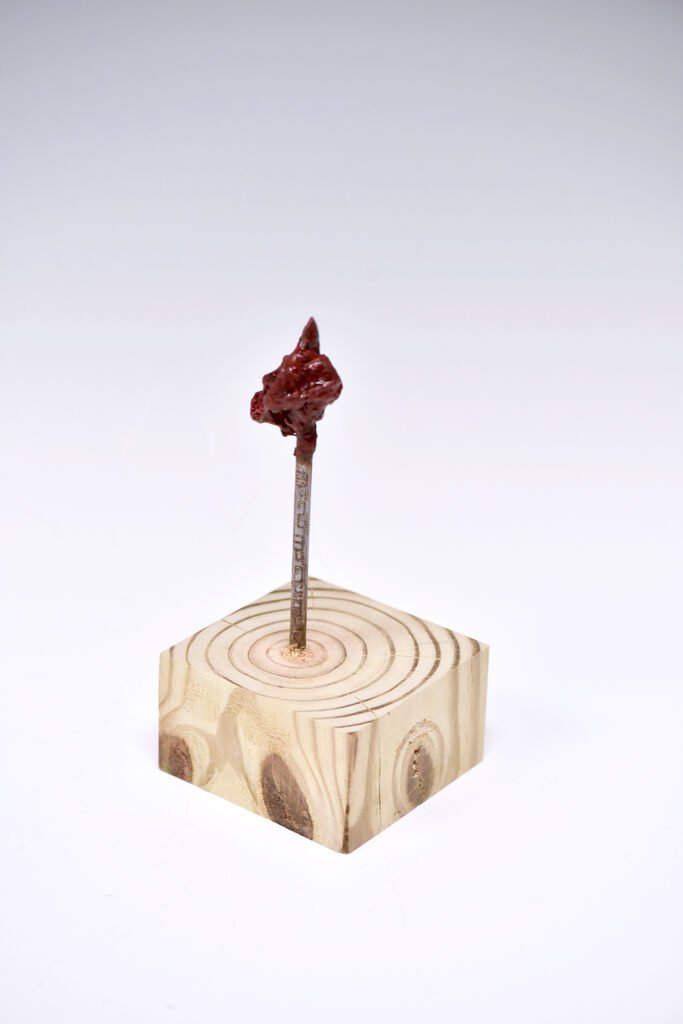
2022 | Untitled
Nina Rastegar
7.4 × 3.3cm
Loading the archive.
Group Show
30 Jan - 28 Feb, 2023

Statement:
Throughout history, many nonviolent social movements have taken place. These movements have helped to fix injustices and provide a better environment for many people—one of these fundamental social movements being the Civil Rights Movement. The Civil Rights Movement consisted of a series of events that led to significant advancements for people. These people aren’t using weapons or violence to fight for themselves. Civil disobedience is an effective way to bring about change because it is a harmless way of fighting an unjust law or idea, it can educate people about the cause, and it has been successful many times in history.
Art is a timeless means of sending a message, something we know pretty well in our industry, but art can also be used as the voice of change and the voice of movements. As we have seen throughout history, art helps arouse an audience's emotions. It can connect people to a cause more deeply than if they look at a situation or cause strictly intellectually and focus on the facts.
The 20th-century philosopher Theodor Adorno famously wrote that “all art is an uncommitted crime.” He simply meant that art challenges the status quo by its very nature. Throughout history, artists have reacted against oppression, violence, injustice and inequalities and stood up for the voiceless and marginalized. Protest art challenges traditional boundaries, hierarchies and rules imposed by those in power. It’s an act of defiance. And it is hugely important as it can influence the thinking of the general public, as well as leaders and politicians. Often images speak louder than words, and art can make a message accessible and universal.Historical events are unfolding before us, which has influenced artists in the protesting scene as well as the professional landscape to help with the protesters by coming together to create art that expresses or sympathizes with the people's want for peace and justice. Protest art has become more abundant with today's cultural platforms like Galleries, museums and social media, where artists can create art or videos to showcase their beliefs, allowing artists to keep up with the protesting.Artistic activism is thus a hybrid practice that combines art's affective qualities with activism's effective capabilities. The words “effect” and “affect” are sometimes used interchangeably, but their meaning differs subtly and critically.
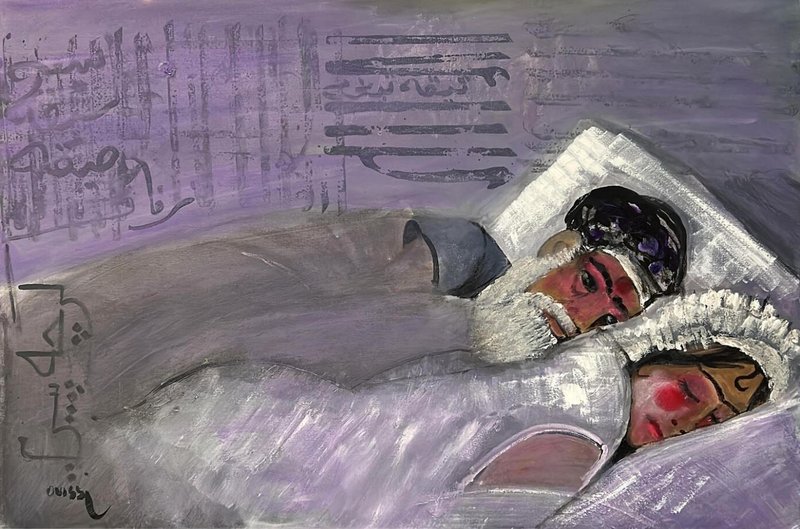
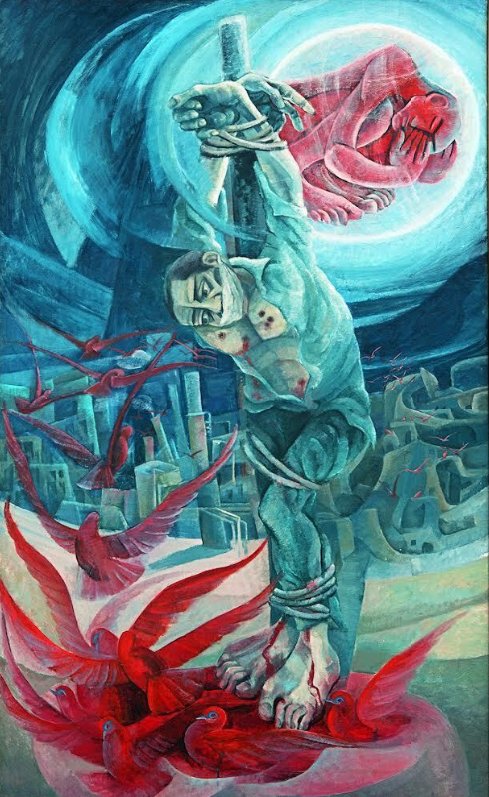
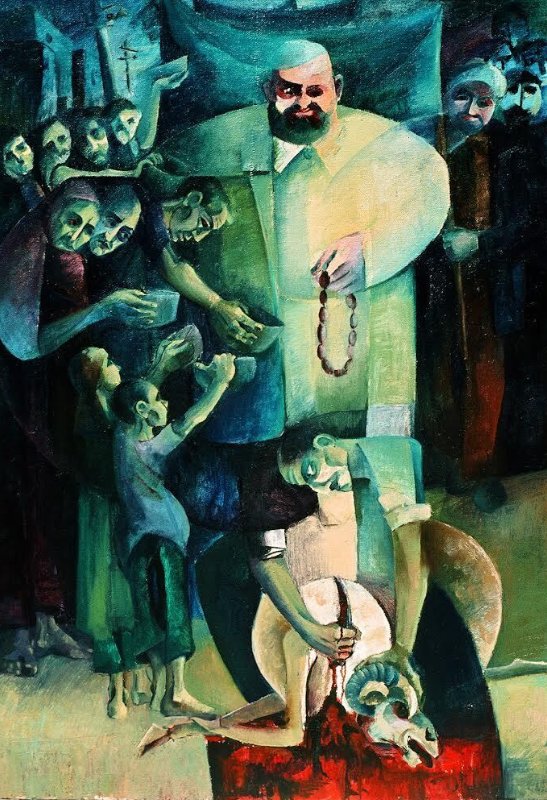
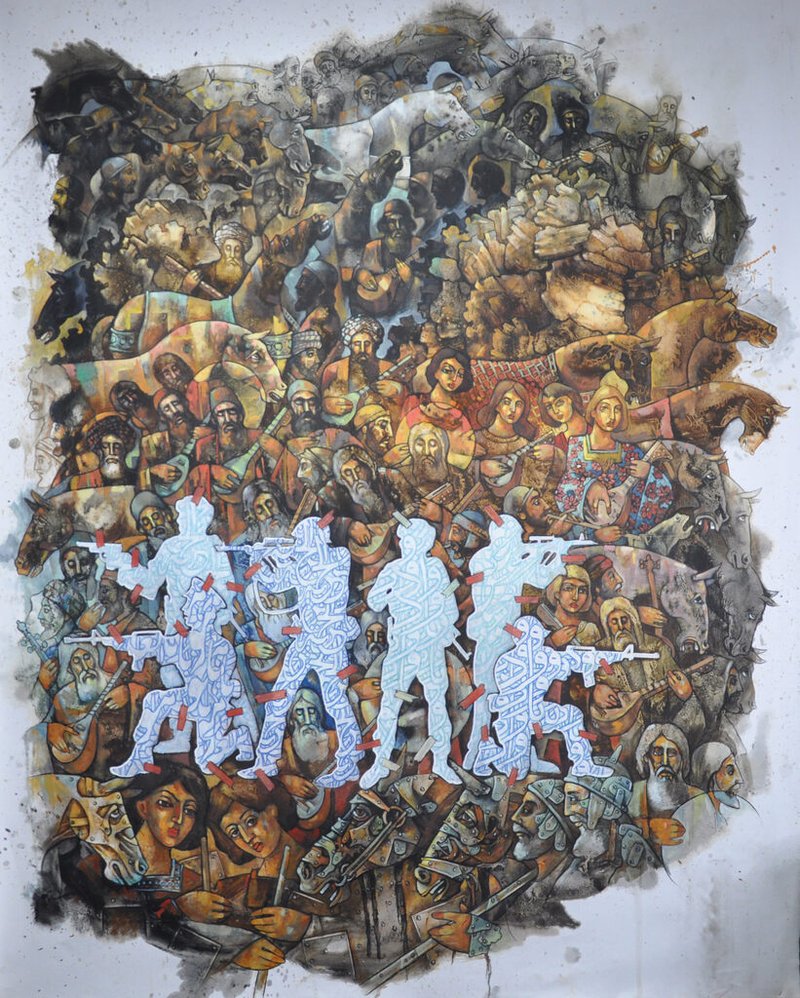
The contemporary Iranian freedom movement started in the early 19 century, and still, people continue their nonviolent social movements to achieve their freedom goals.This group exhibition represents a collection of art created during the last 50 years by eight artists of different generations and cultures who might have different political points of view. This collection does not represent what has been happening in Iran recently but shows a recreation of disloyalty, violence, execution and other social and cultural misconception.
Reza and Neda Paykazadi
Curator: Neda Paykazadi and Reza Paykazadi
Artists
Nina Rastegar
7.4 × 3.3cm
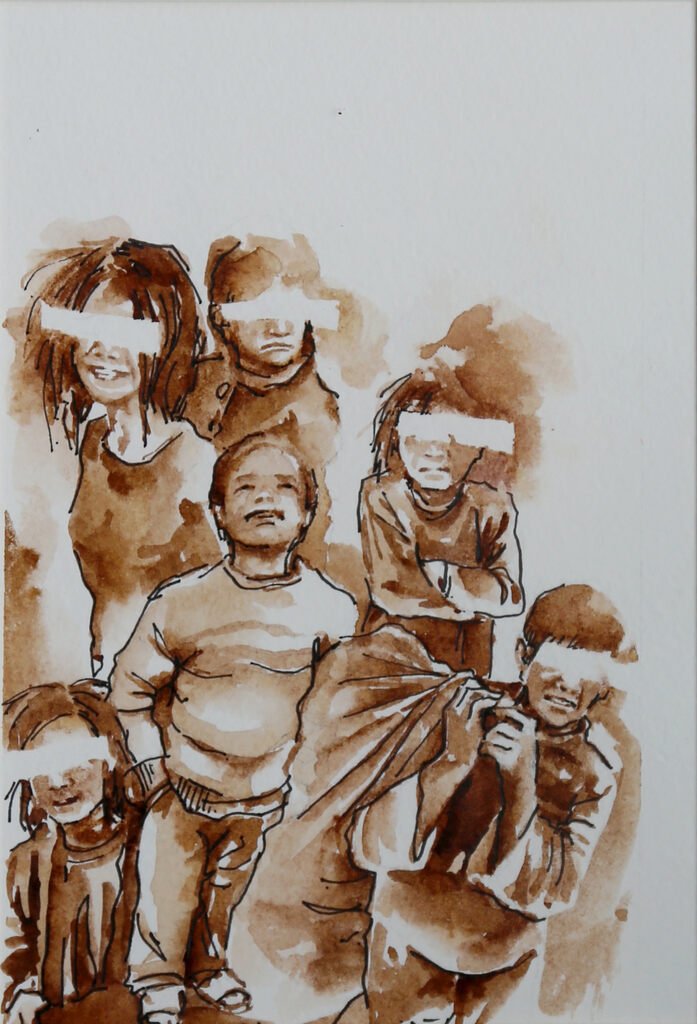
Nina Rastegar
17.8 × 12.7cm
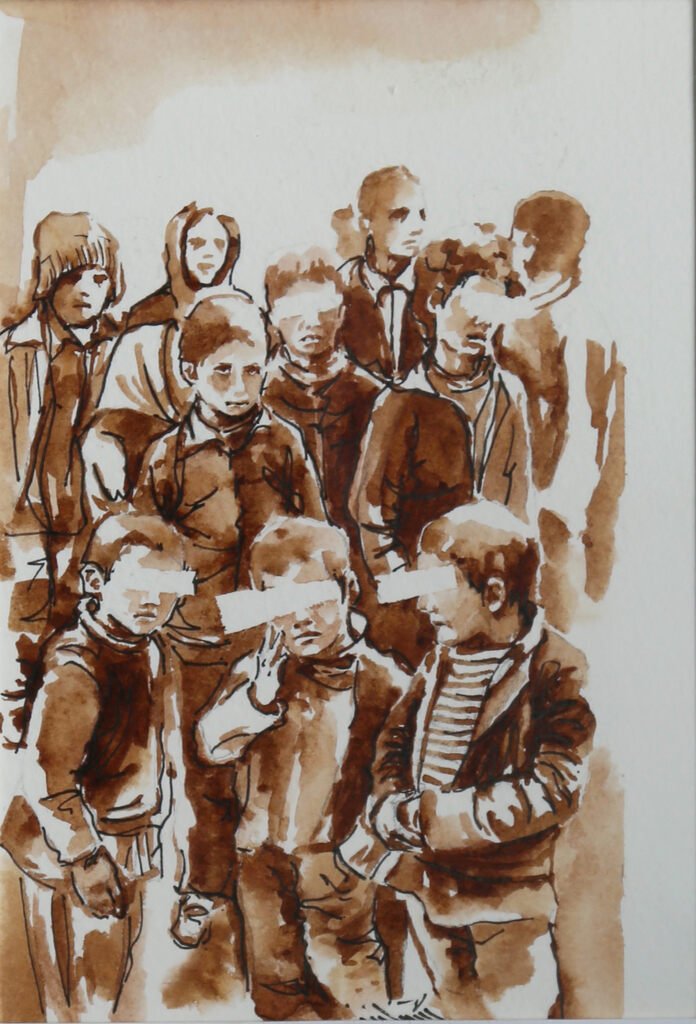
Nina Rastegar
17.8 × 12.7cm
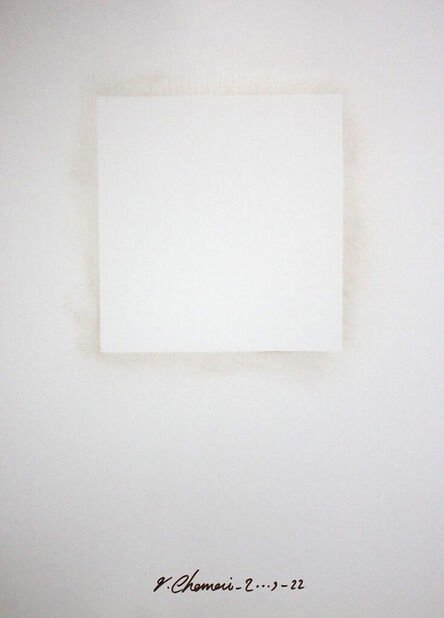
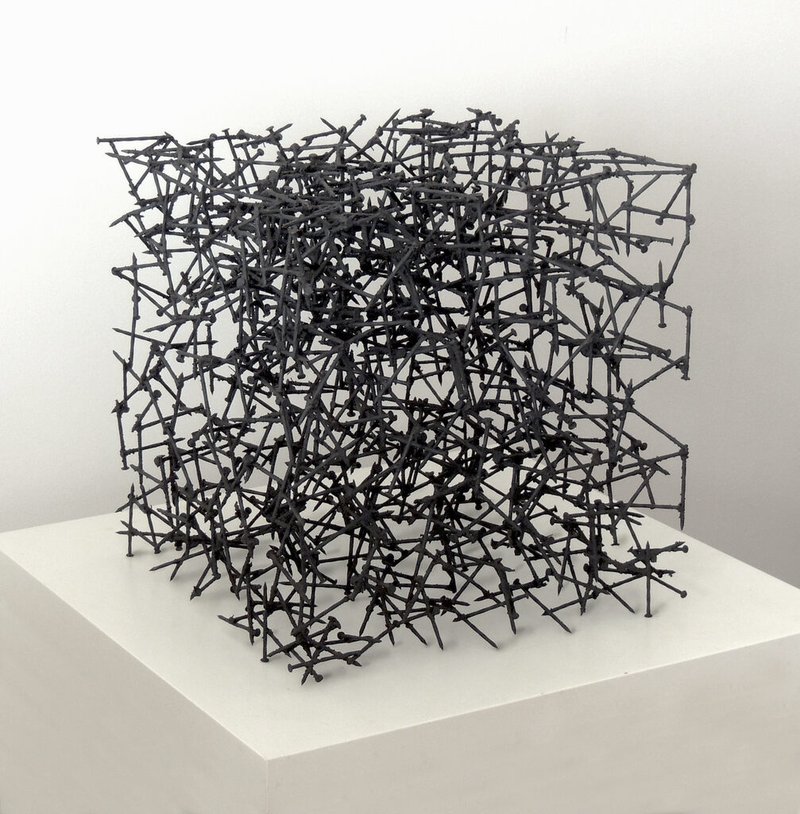
Mehdi Nabavi
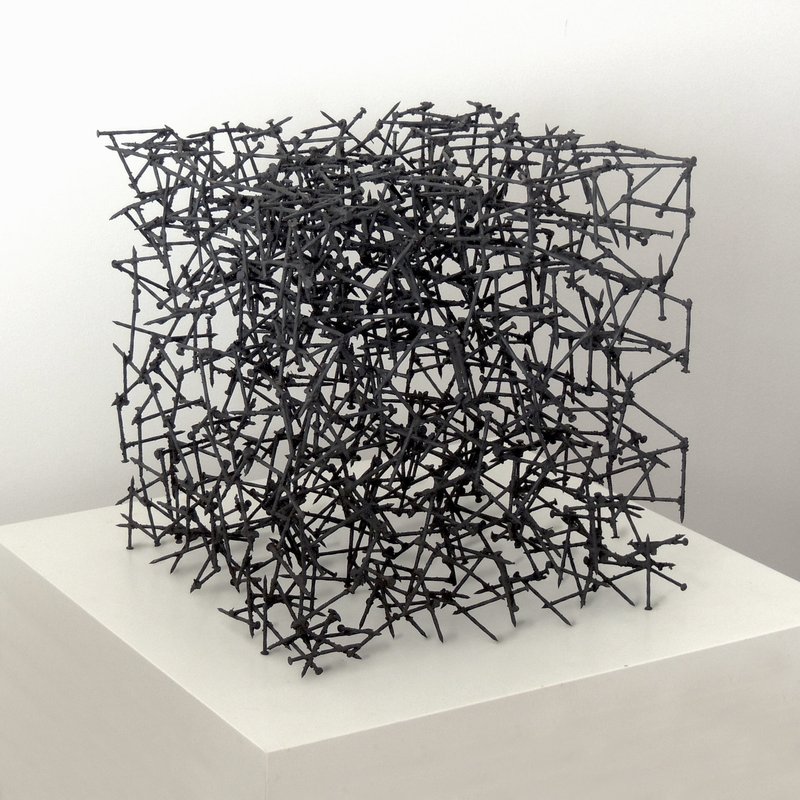
36 × 36 × 36cm
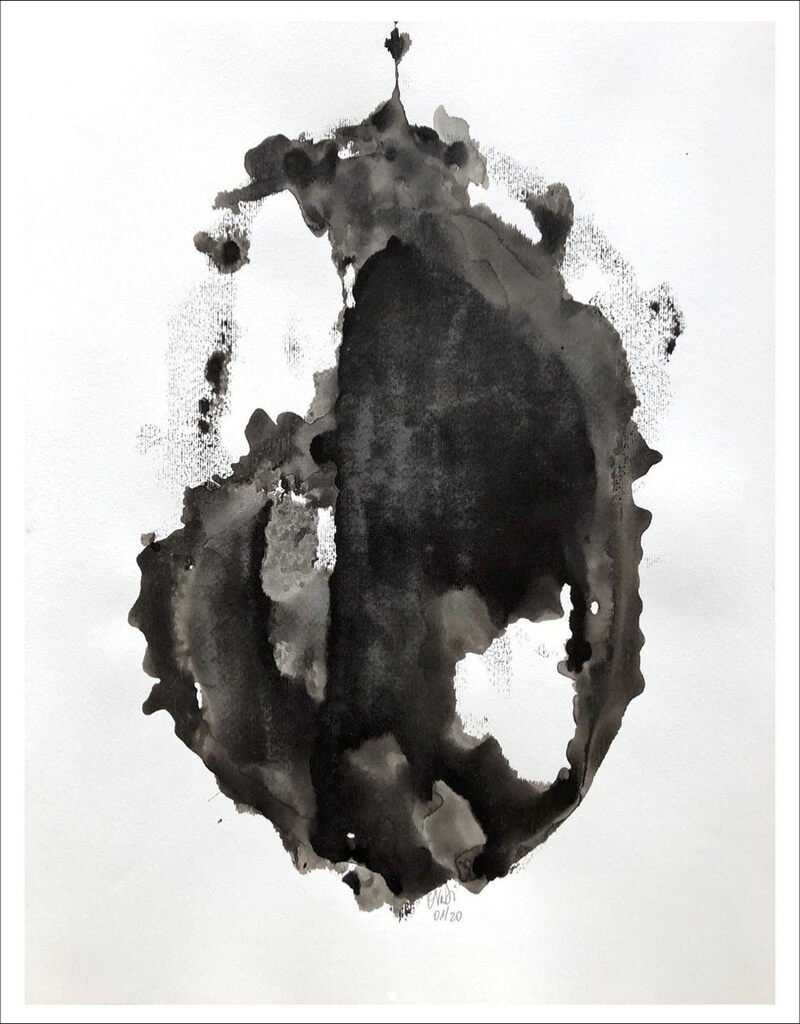
Mehdi Oveisi
65 × 50cm
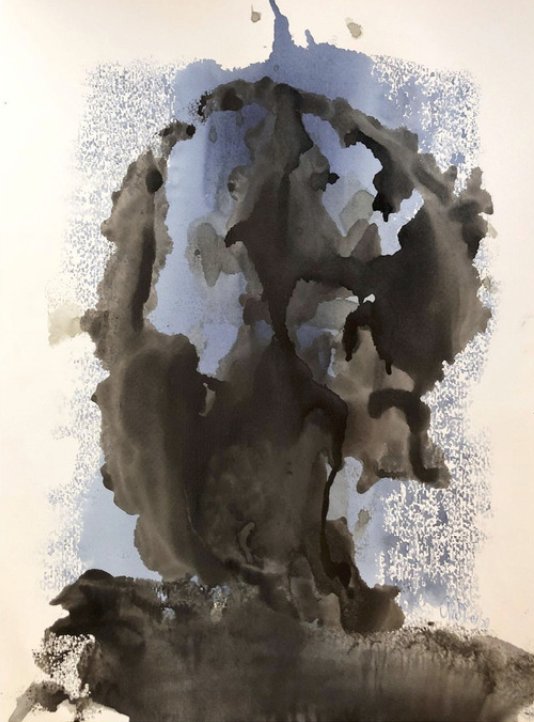
Mehdi Oveisi
65 × 50cm
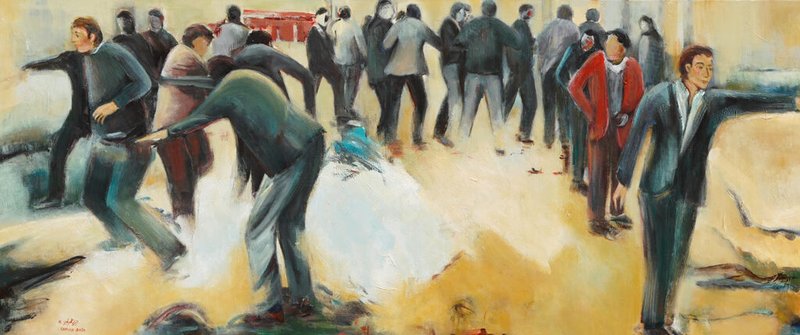
90 × 180cm
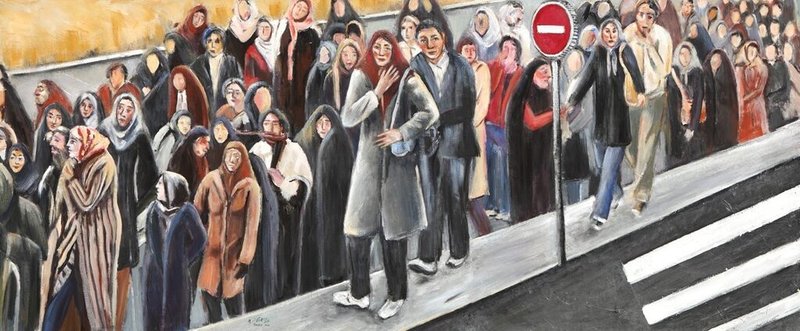
90 × 180cm
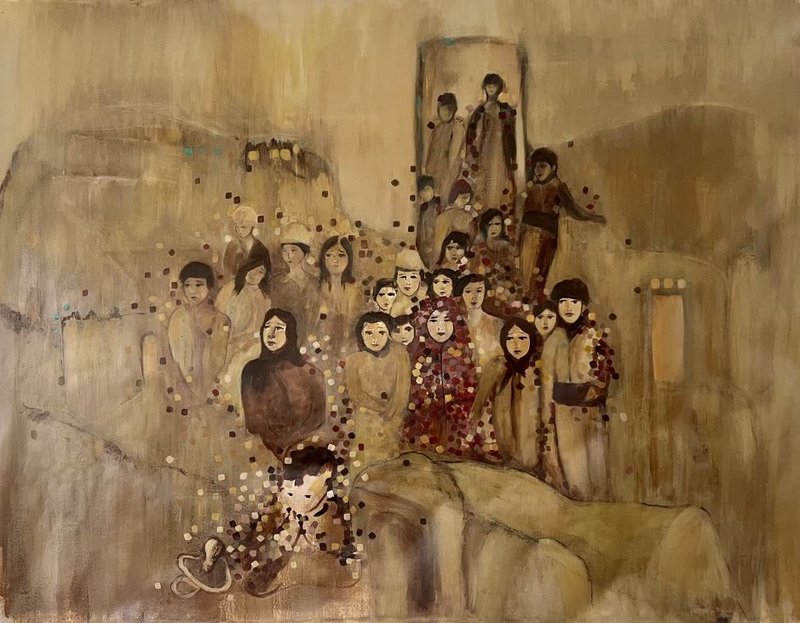
Fariba Baghi
139.7 × 177.8cm
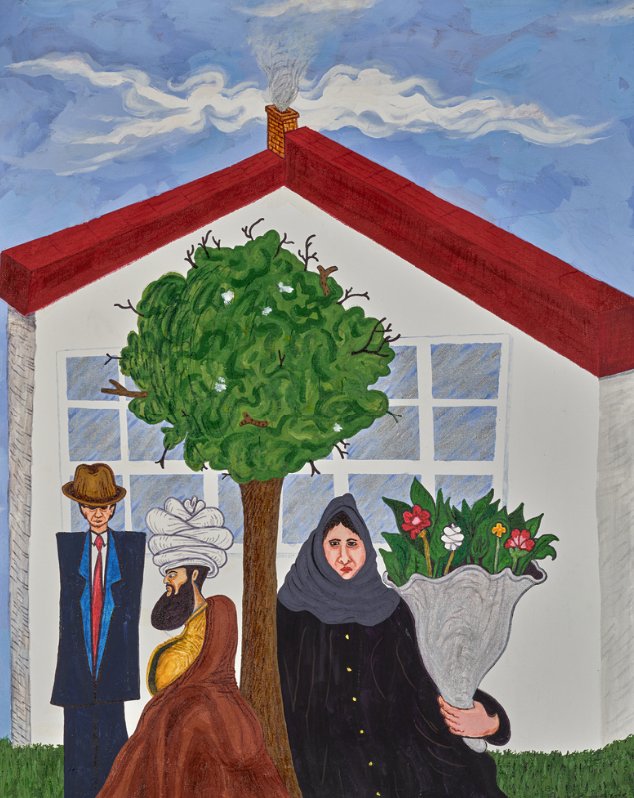
100 × 80cm
76.2 × 101.6cm
200 × 120cm
180 × 110cm
Mohsen Kiani
200 × 155cm
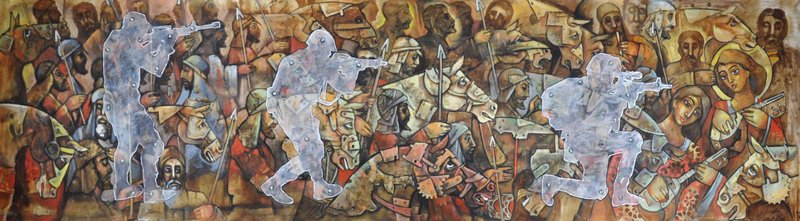
Mohsen Kiani
55 × 185cm