

19 May - 5 Jun, 2026
Statement:
There is a particular pleasure in being asked to look carefully. Not the rushed, scrolling glance that contemporary image culture demands, but the sustained, deliberate attention that a painting can require when it is working at full strength.
Entry Point gathers four artists whose practices make this demand with quiet authority, each working within the representational tradition and each arriving, by different routes, at the same fundamental question: what does it mean to truly see?
The philosopher Maurice Merleau-Ponty proposed that vision is never passive, that the eye does not receive the world so much as participate in it.
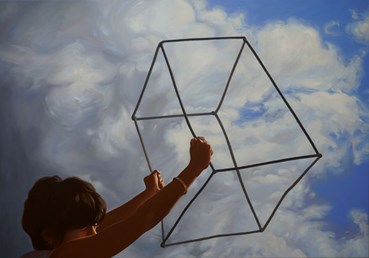
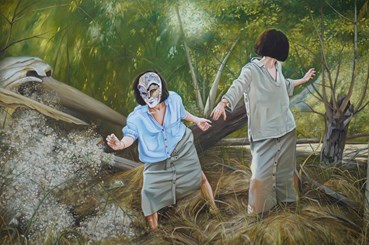
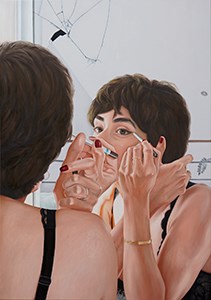
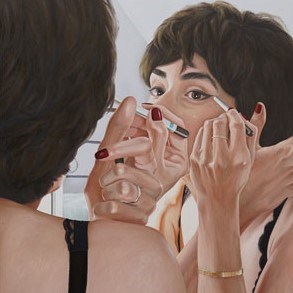
It is a useful frame for encountering the work of Seabastion Toast, whose rigorously composed oil paintings treat figure, object, and ground with equal structural weight, directing attention through the deliberate use of light and pattern rather than hierarchy or sentiment.
Toast paints to resist the speed at which images are ordinarily consumed. Her compositions are propositions, constructed from sustained observation, in which the act of looking is itself made visible.///
There is something demanding and generous in equal measure about this project: it asks the viewer to slow down, and rewards that slowing with the uncommon experience of becoming conscious of one's own perception as it unfolds.
Nazila Jahangir arrived at her Perth practice by way of Tehran and the University of Western Australia, carrying with her a tradition in which storytelling and image-making have always been understood as inseparable.
Her oil paintings inhabit the border territory between realism and magical realism, constructing what she describes as frozen moments from stories not yet told.
Figures reach toward butterflies that are also migrations; a self-portrait becomes a meditation on identity and cultural distance.
There is in Jahangir's work a quality that the novelist Marilynne Robinson has identified in the best figurative art: the sense that a painted face or figure is not merely depicted but really seen, that behind the image lies a consciousness the painting acknowledges and respects.
Together, these four artists make the case that representational painting remains one of the most powerful instruments we have for the practice of attention. Entry Point is not a survey of a style but an argument for a way of engaging with the world: carefully, slowly, and with the willingness to be changed by what looking reveals.
Artists